Ogling egrets
Free-wheeling at Chincoteague
On Chincoteague Island, the egrets, even in tourist season, outnumber the people.

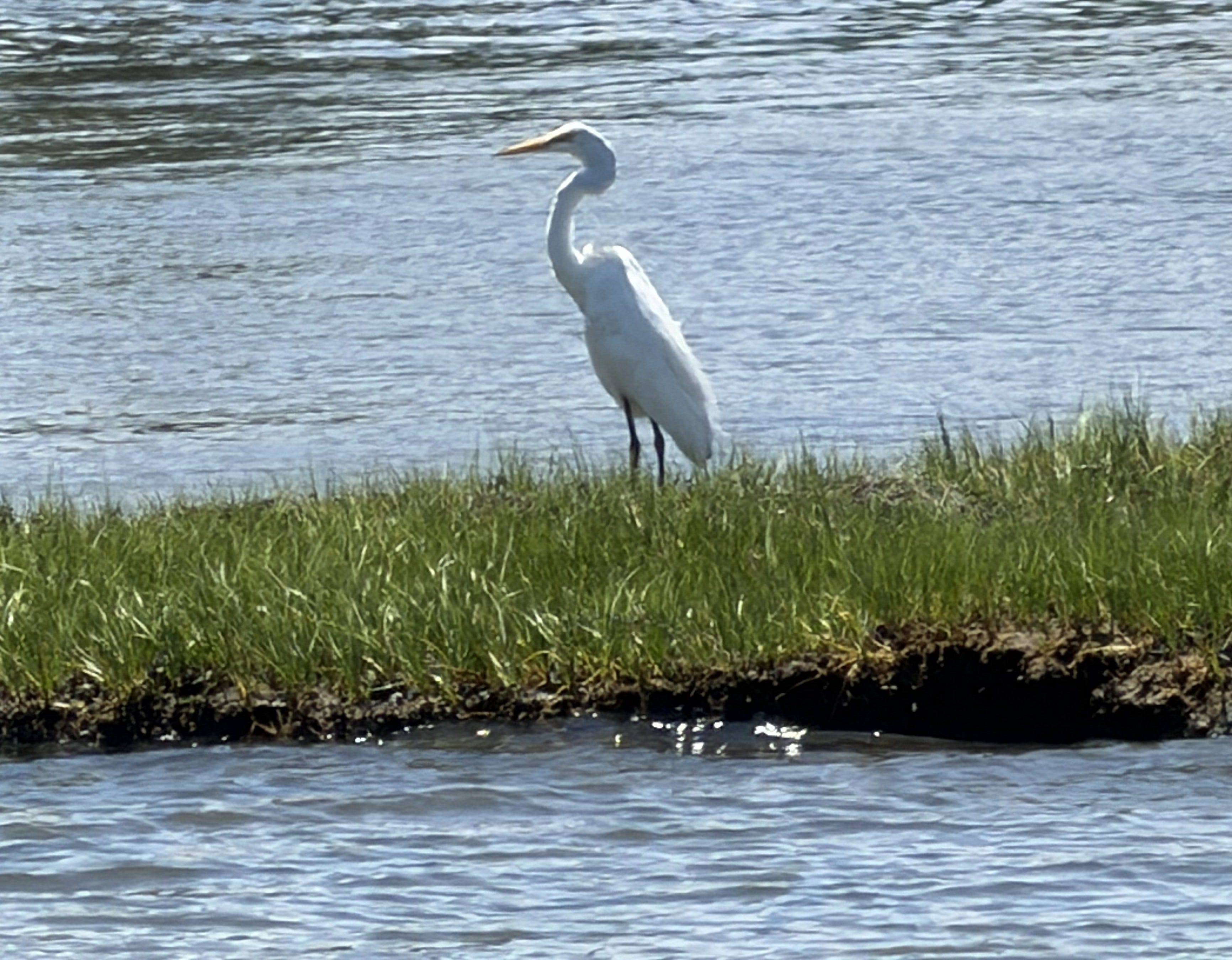
Crossing the Queen Sound over the bridge into the 15-mile long island, these graceful snowy white birds mix with the seagulls to greet us, in between the small signs advertising for local businesses. Hundreds of egrets fish the yellow and green grasses as others fly above.
Egrets thrive at Chincoteague, a sweet island (population 8,000) where time seems to have stopped at 1950 when her most famous resident Misty was stealing the hearts of little girls (including me).
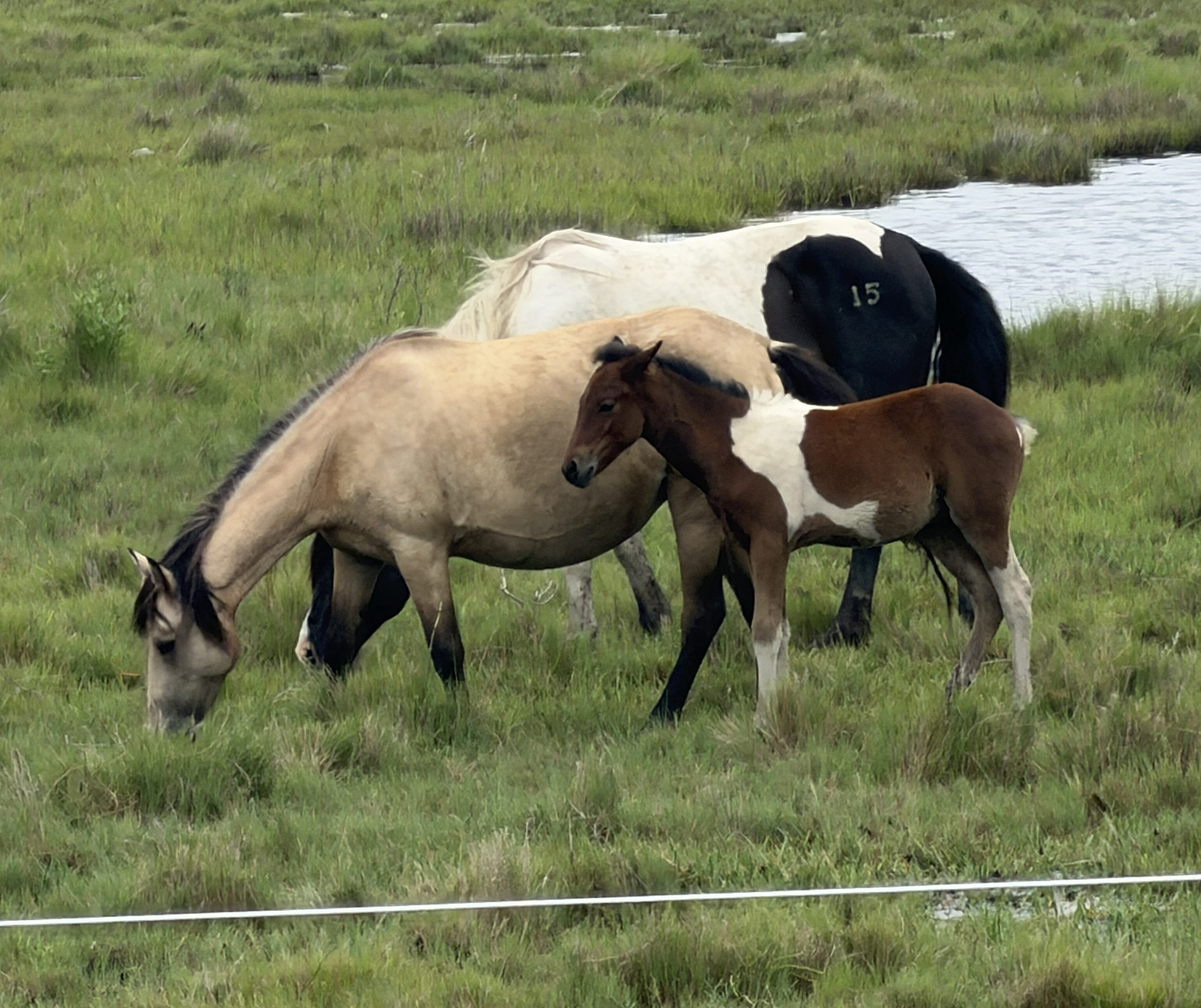
The ponies are still there grazing in fields along the beach, a major tourist attraction especially during the pony swim later this month.
Everyone here has a pony tale, and like everyone else on the road heading to the beach on Assateague Island, I love a glimpse of the wild ponies grazing contentedly in bands of 15 or 20.
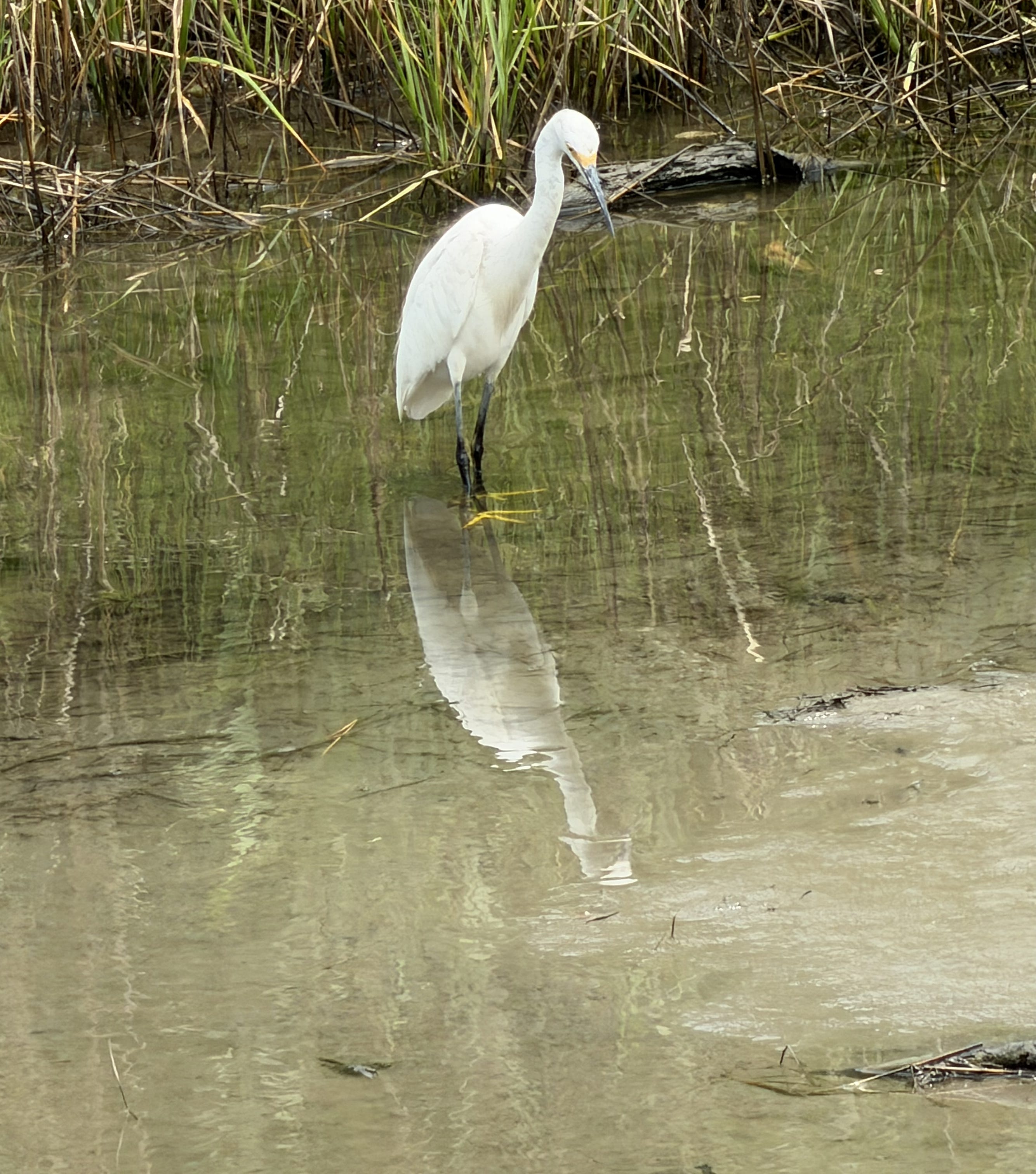
But I am side tracked now by the egrets and their tale of how they returned from extinction. They are not too active on this hot day, but I find individuals in the canals of the Chincoteague National Wildlife Refuge that claims over 300 species of migratory birds as residents. They feast in the shallow waters, which offers a rich stew, full of minnow, bugs and other insects.
From my car, I spot a Snowy Egret, bright white with long black legs like sticks stuck in the golden water. The yellow feet seem stuck, until suddenly the egret sights a fish, juts its long bill like a spear, and bam, a fish for lunch.
There are three kinds of egrets at the refuge, protected by the U.S. Fish and Wildlife Service: the Great Egret, a year-long resident which is a little bigger than the Snowy Egret. It is distinguished from the Snowy Egret, mainly by its black legs, without yellow feet. Then there are the smaller Cattle Egrets who have found a happy home on the backs of the ponies, eating insects.
All three species are living healthy lives throughout unspoiled waterways in the Mid-atlantic. The U.S. Fish and Wildlife Service, based at the Herbert H. Bateman Educational Center, makes sure they stay healthy. Through a simple canal system, the center’s biologists increase or decrease water levels to create the best feeding grounds for the birds or other wildlife needs. They survey the beaches and wetlands to protect the egrets from harassment, injury or shooting.
Development and predators are looming. A large snapping turtles can grab a bird, drown it, tear it apart underwater and then gobble it down bit by bit. Foxes, raccoons and birds of prey also attack egrets. But humans have been the worst enemies and almost caused their extinction.
The survival of these elegant birds is a tribute to two women socialite activists who took on their cause. During the late 1800s, ladies were wearing hats decorated with the beautiful egret plumes, known in France as aigrettes. An exhibit at the New York Historical Society in 2018 displayed the hats and accessories with “the feathers, beaks, and in some cases, the full bodies” of dead birds, according to an account of the exhibit.

Egret plumes, plucked during mating season, were as valuable as gold; an ounce of the feathers could bring up to $2000 in the millinery business. It was estimated that in one year one and a half tons of egret feathers were sold--equal to 200,000 birds and three times as many eggs. While the demand for egrets in millinery centers in New York and London boomed in the late 1800s, the birds faced extinction.
Enter two Boston socialites turned activists: Harriet Helenway and Minna B. Hall. They launched tea parties to get their friends to boycott the hats. They organized the first Audubon Society, to stop the murder and extinction of egrets. The campaign grew into a movement; the fashionable aigrette, was dubbed the “white badge of cruelty” as the public took interest in saving the birds. In 1897, the legislature of Massachusetts banned plume hunting. Other states followed.
The movement culminated in 1918 with the passage of the Migratory Birds Act Treaty which protects other birds, including herons and terns, which were at risk. This was a landmark when Americans decided the life of birds and the waterways were worth more than a fancy hat.
Egrets have been flourishing pretty much throughout the wetlands of the U.S. But other birds are threatened as wetlands erode or vanish . The piping plover is endangered and now nests in the current public beach area of Assateague. Due to erosion, the Fish and Wildlife Service is moving the public beach to a different part of the island. And the piping plover will have the old beach and parking lot all to itself for nesting. They hope to bring the population level up to 2,000.

For now, it is a great pleasure to ogle the egrets who are flying around the wetlands of Chincoteague.
Love learning about the society ladies launching their campaign! Great story!
I love Chincoteague. Thanks for this egret history! Beautiful photos, too!